
The Buyer Journey: Understanding the Customer's Path!
- Emmanuel Wreh

- Jan 10
- 2 min read

The buyer journey represents the steps a potential customer takes from the initial awareness of a problem or need to the final purchase decision. While the stages may vary depending on the industry and complexity of the product or service, a typical buyer journey can be divided into three stages:

Awareness: In this stage, the buyer realizes they have a problem or need. They are actively seeking information and looking for solutions. At this point, businesses should focus on creating educational content that addresses the pain points and helps potential customers understand their challenges.
Consideration: Once the buyer is aware of their problem, they enter the consideration
stage, where they research and evaluate different options to solve their problem.
Businesses should provide in-depth content that highlights the benefits, features, and value of their product or service. Testimonials, case studies, and comparisons can help prospects make informed decisions.
Decision: In the decision stage, the buyer is ready to make a purchase. They compare different offerings, pricing, and options. At this point, businesses should provide clear calls-to-action, offers, and incentives that motivate the buyer to choose their product or service. Streamlining the purchasing process and offering exceptional customer support are critical to closing the deal.
Aligning the Inbound Methodology with the Buyer Journey
To effectively nurture leads and guide them through the buyer journey, businesses must align their inbound marketing efforts with each stage. Here's how:
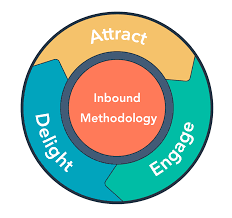
Attract: Create content that aligns with the awareness stage of the buyer journey. Focus on educational blog posts, informative videos, and social media content that addresses common pain points and provides valuable insights.
Engage: Tailor your content to the consideration stage, providing detailed information about your product or service. Offer webinars, ebooks, and case studies that showcase the benefits and value you provide. Use email marketing and social media engagement to stay connected with leads and nurture the relationship.
Delight: After a purchase is made, continue to engage and delight customers. Provide personalized support, exclusive content, and loyalty programs to foster long-term relationships. Encourage customers to share their experiences through reviews and testimonials, amplifying your brand's reach and credibility.
To conclude, the inbound methodology, combined with a deep understanding of the buyer journey, offers businesses a powerful framework to attract, engage, and delight customers. Embrace the customer-centric approach of inbound marketing, and let it guide your strategy as you connect with your audience and build lasting relationships.
Author | Emmanuel Wreh
RevOps | CRM | MarTech Expert


Comments